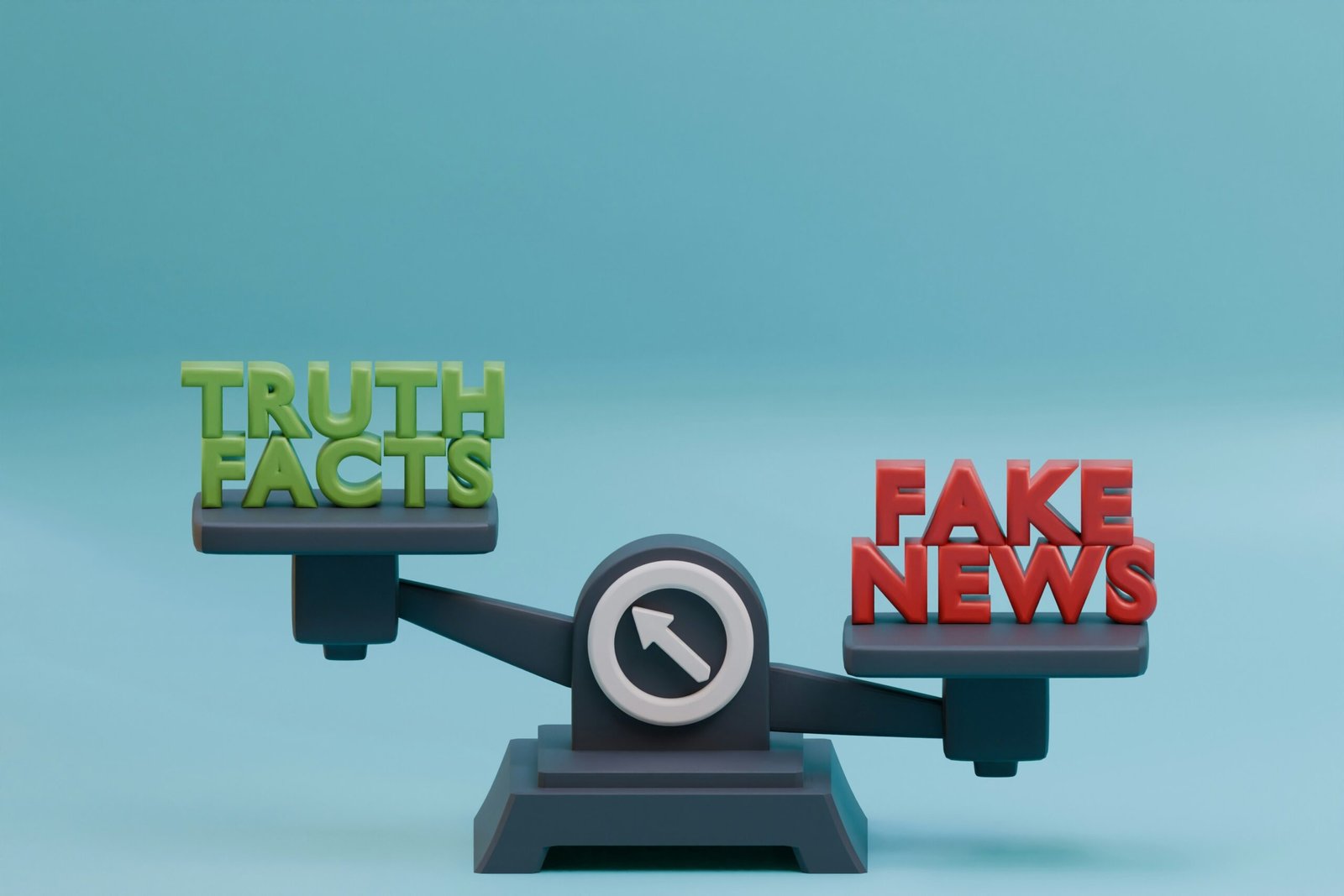
Unfortunately, in addition to its devastating health consequences, COVID-19 had additional, non-medical effects upon our political and social relationships. In an already isolated time due to safety precautions, the pandemic only deepened and intensified divides among groups harboring differing ideological and sociopolitical beliefs and values. Social interactions existed almost exclusively online, thus social media became the main avenue for information and discourse. Emotionally charged and controversial content was able to spread rapidly, preying on the already heightened uncertainty and fear of people. Mis- and disinformation often clashed with accurate information about public health, often trumping the accurate information because the misinformation would be able to spread faster, wider, and more frequently. Echo chambers filled with people fostering extreme views and feelings became increasingly common and even more dangerous.
Social media’s personalization features trapped people into lanes where the content they encountered was uniform and there was little access to a diversity of content, adding to the cycle of increased polarization. Content spreading misinformation was directly aligned with existing beliefs and preexisting assumptions. Another effect was the sheer amount of information circulating. Social media gave access to anyone to share their thoughts and feelings, which saw more opinionated content overshadow content rooted in truth and reality. People spoke on COVID-19 who were not experts by any means, allowing misinformation to spread disguised as credible information. Trust in the wrong places and sources grew along with distrust in institutions, like the CDC, contributing to mass confusion and sometimes conflict, aiding polarization’s continued rise.
Polarization during the pandemic is largely attributed to social media platforms and actors utilizing these algorithmic systems. Social media was supposed to be a place for connection when people were isolated, and not to say that it did not do this at times, but it also intensified negative emotions and actions. It was especially dangerous for younger audiences who were still developing and forming their identities. Impressionable audiences could be tricked into falling down a rabbit hole of specific narratives, tied to emotional connection which is evidently harder to revert or turn away from.
COVID-19 intensified anxiety with the revolving uncertainty and evolving scientific understanding. Confusion in this regard created the grounds for polarization. Governments implementing public health measures coincided with disrupted daily life, and the pandemic became politicized. Differing views and beliefs surrounding the COVID-19 pandemic developed, ranging from health-focused initiatives about the virus to competing visions of freedom and trust or distrust in institutions. Political polarization intensified during the pandemic and has had lasting implications upon social and political fragmentation, and distrust in institutions. Pushing back and correcting against these consequences requires systemic reforms rebuilding trust in institutions and improving communication and scientific validity, which is no small task.